


UI/UX Design
Motion Design in UI: 5 Ways To Master Microinteractions for Delightful Experiences

Updated on:
04 Nov 2026
Motion Design in UI has emerged as a powerful tool to captivate users and enhance overall interaction with an interface in the fast-paced world of user experience (UX) design.
This article dives into how mastering motion design and microinteractions can enhance UI experiences. Discover practical tips for applying motion design in your user interfaces.
Understanding Motion Design in UI
Motion design in UI refers to the purposeful use of animations, transitions, and movements within an interface to guide users and provide feedback. Unlike static designs, motion design can lead users through their journey by offering intuitive cues and delightful surprises along the way.
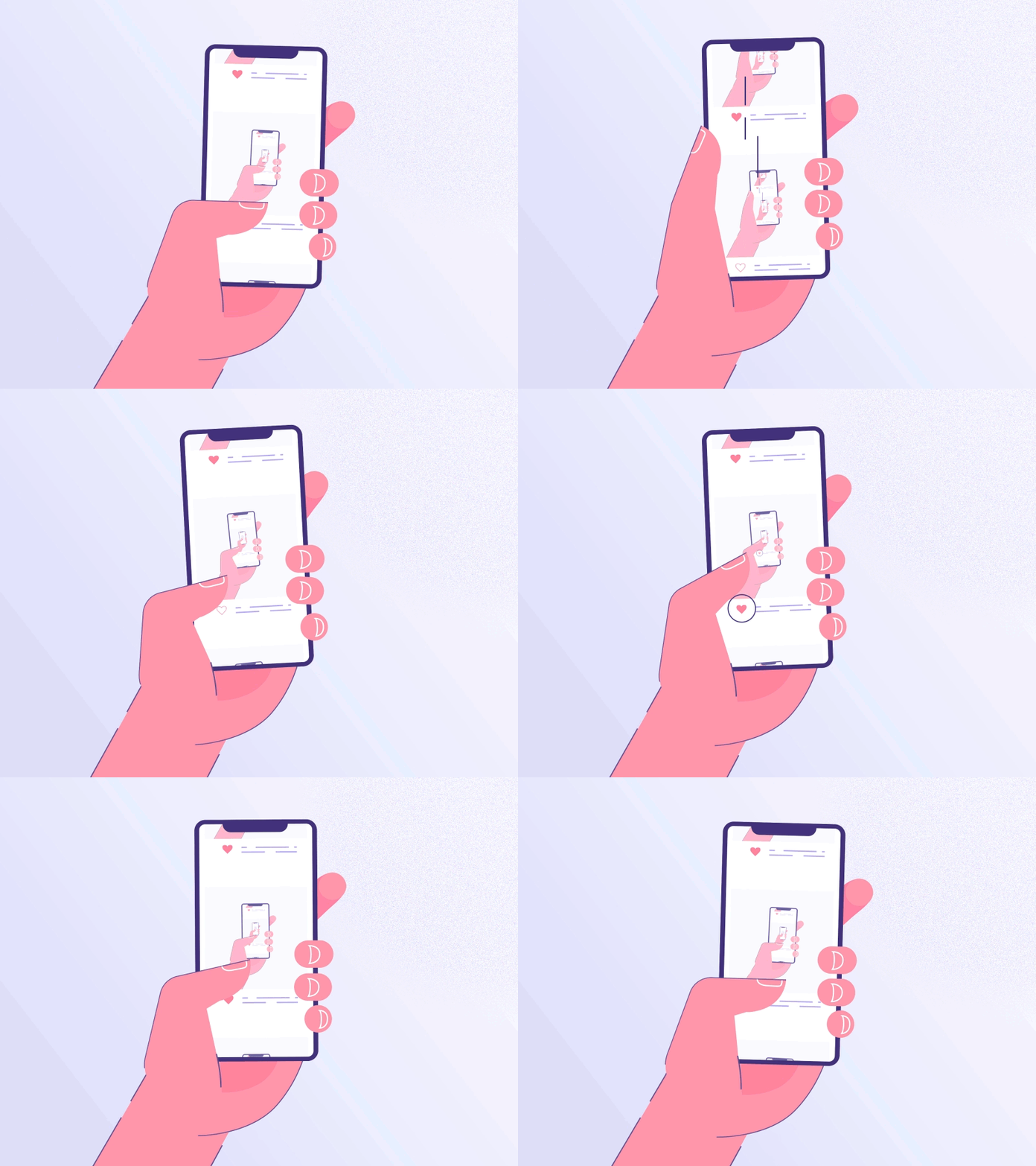
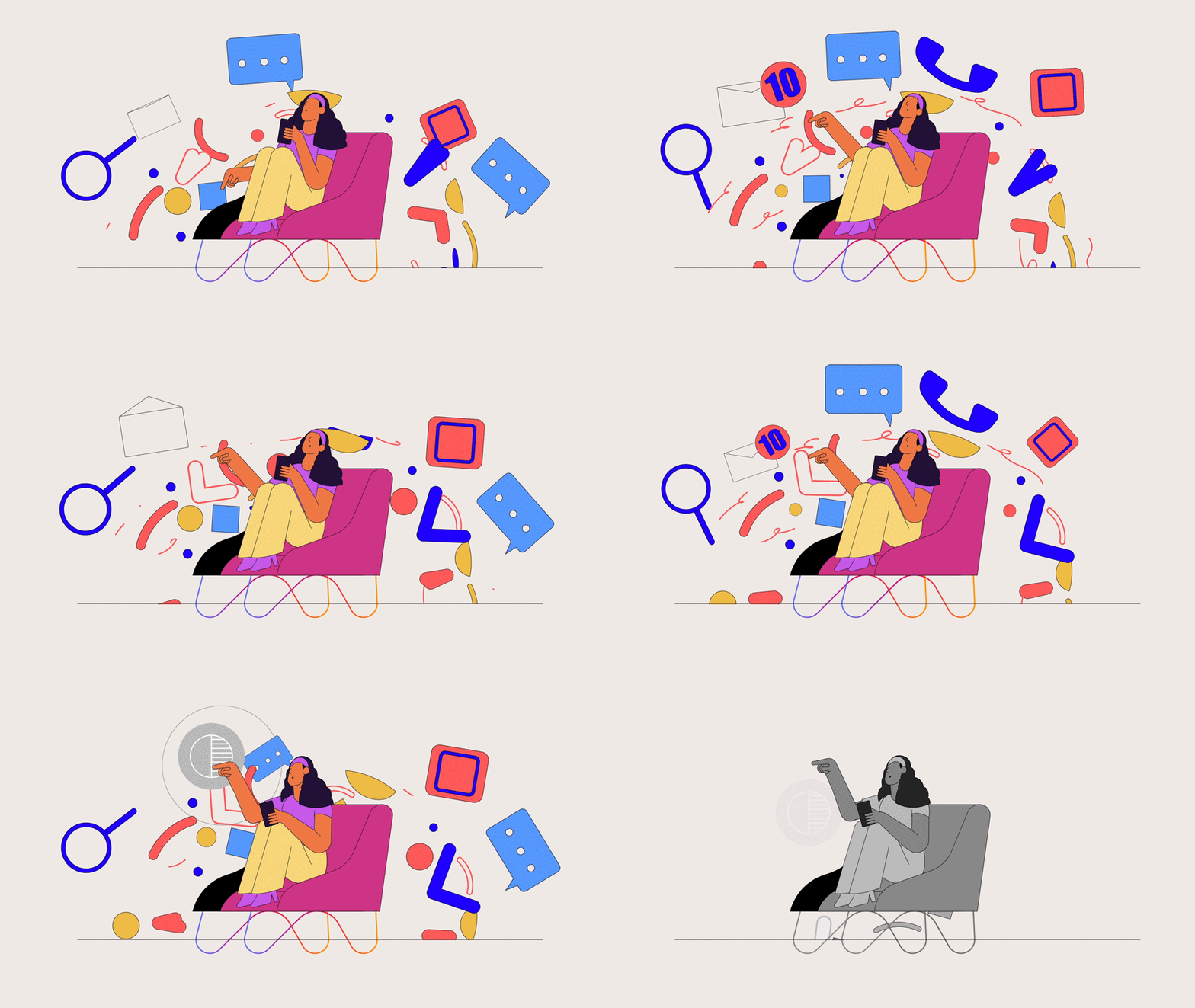
One of the best uses of motion design is through microinteractions, which are small, focused animations that occur when a user interacts with a UI element. These may be as simple as a button that slightly enlarges when hovered over, or a notification that slides into view when a user receives a message.
Why Microinteractions Matter
Microinteractions can significantly impact user engagement and satisfaction. Here are some key reasons why they are so important in UI design:
- Feedback – Microinteractions provide immediate feedback for actions. For instance, a button that changes color or shape after being clicked reassures users that their action was successful.
- Aesthetics – Properly executed motion design adds elegance and style to an interface, making it more enjoyable for users to navigate and interact with.
- Guidance – Motion design helps to guide users through tasks and processes. A subtle animation can direct attention to critical areas or new features, making it easier for users to complete tasks.
- Delight – Well-designed microinteractions can bring an element of surprise and joy, transforming an ordinary task into a delightful experience.
Best Practices for Motion Design in UI
To maximize the impact of motion design and microinteractions in UI, follow these best practices:
1. Use Animation Sparingly
While motion design is powerful, it's essential not to overuse it. Too many animations can lead to distractions and a chaotic user experience. Only animate elements that are critical for guiding the user or providing feedback.
2. Ensure Smooth Transitions
Animations should be smooth and subtle. Avoid jarring, fast-moving transitions that might overwhelm the user. A gentle fade, slide, or bounce is usually more effective.
3. Maintain Consistency
Consistency in your motion design is crucial for maintaining a cohesive experience. Use similar types of animations for similar actions and be sure the timing of animations feels consistent throughout the interface.
4. Consider User Control
While motion design can be engaging, it's essential to give users control. For example, allow users to pause or skip animations if they prefer not to interact with them.
5. Match Motion with Purpose
Every microinteraction should have a clear purpose, whether it's to signal an action or enhance understanding. Avoid decorative animations that don't add value to the overall user experience.
Tools for Implementing Motion Design in UI
Several tools are available for designers who want to bring motion design and microinteractions into their UI projects. These tools include:
- Adobe After Effects – For creating detailed animations and transitions.
- Principle – A tool for prototyping microinteractions with realistic animations.
- Figma – A popular design tool that allows designers to create interactive prototypes with simple motion effects.
Conclusion
Mastering motion design and microinteractions is crucial for creating delightful and memorable UI experiences. By applying motion thoughtfully, designers can not only enhance the aesthetic appeal of their interfaces but also improve usability and user satisfaction.
Remember to focus on subtle, purposeful animations that guide, inform, and engage users without overwhelming them.
YOU MAY ALSO LIKE

Let us
GROW

your

business!